Entry · Ref KIM0KZNY
Why High-THC Hash Is Making a Comeback Among Concentrate Fans
- Posted
- 2026-10-11
- Last amended
- 2026-10-11
- Account
- @thehighthchashnotes
For years the cannabis concentrate market has been dominated by glossy extracts that look more like amber jewelry than anything you would crumble into a bowl. Live resin, shatter, and budder each had their moment in the spotlight, and for good reason. But lately I have noticed something shifting. People who spent years chasing clarity and flavor are circling back to a product that feels older, more traditional, and a lot more straightforward: hash.
Not just any hash, though. The stuff that is turning heads now is high-THC hash, the kind that hits hard and does not pretend to be subtle. It is not trying to look like a gemstone or whip up into a fluffy dessert. It is dense, dark, and potent. And it belongs in the conversation alongside any premium concentrate on the shelf.
What Makes Hash Different From Other Concentrates
Hash is one of the oldest forms of cannabis concentrates we know about. People have been pressing and sifting cannabis resin for centuries, long before anyone built a dab rig or talked about terpenes in a lab coat. The process is simple in concept: separate the trichomes from the plant material and compress them into a solid block. That block is hash.
Modern concentrates like live resin and shatter are made using solvents or extreme cold to strip cannabinoids and terpenes from the plant. They often preserve a lot of volatile compounds, which gives them strong flavor profiles. But hash, especially the kind made through solventless extraction, keeps things pure. No chemicals, no elaborate closed-loop systems. Just mechanical separation and pressure.
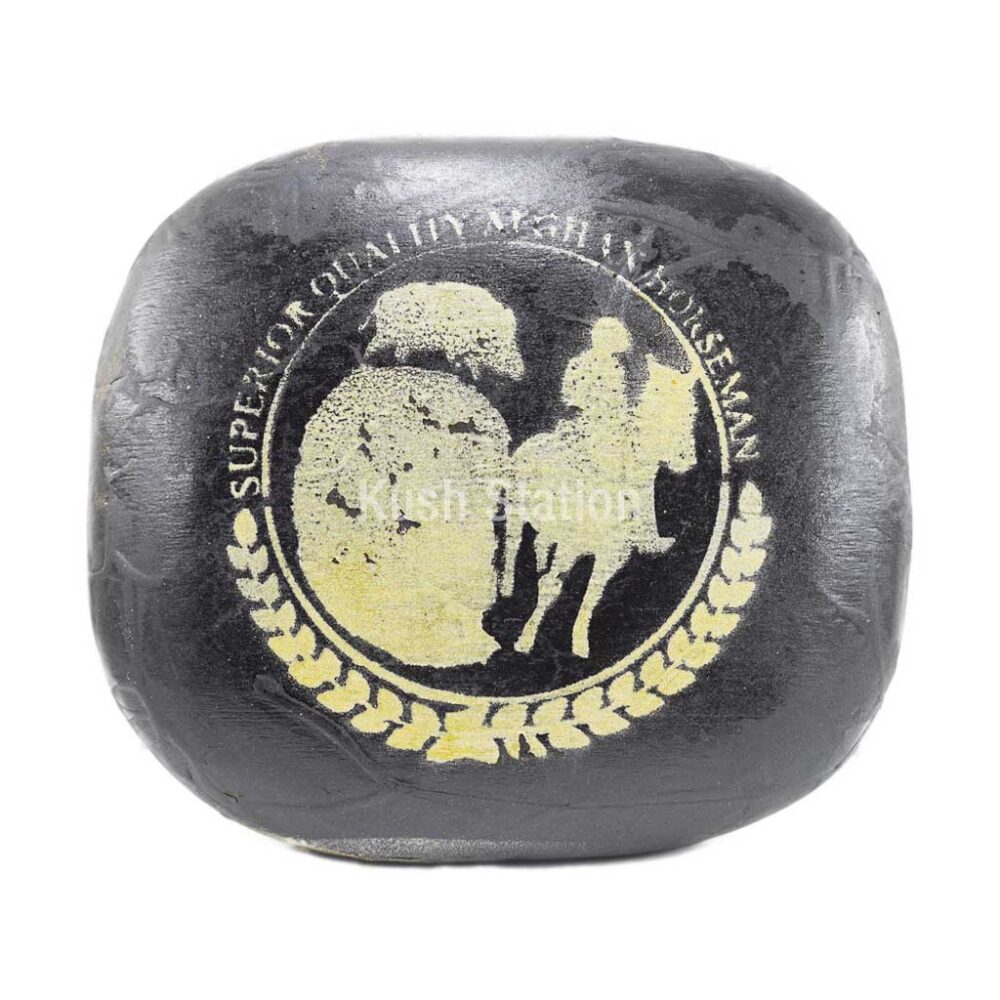
That purity is part of why high-THC hash feels different in a dab rig. The effects land fast and stay present. The absence of residual solvents means the vapor is cleaner, and the flavor is more about the base plant than any processing artifact. When you buy from a shop like KushStation that sorts products by type and potency, it is easy to find a batch that has been tested and verified. A lab test on the jar tells you exactly what you are getting, and with high-THC hash the numbers can sit well above 60 percent total cannabinoids, sometimes pushing 70 or more depending on the starting material.
The Craft of Making Strong Hash
Making hash that actually delivers high THC content is not just about pressing harder. It starts with the plant. Trichome density, resin production, and harvest timing all matter. If the grower cuts early, the cannabinoids have not fully formed. If they wait too long, some of the THC has already converted to CBN through decarboxylation. The window is narrow.
Once the plant is ready, the method of extraction determines how much of the good stuff ends up in the final product. Ice water hash, also called bubble hash, uses cold water and agitation to break off the trichomes. The mixture is filtered through screens of decreasing micron size. The finest screens catch the smallest, most resin-rich particles. That fraction is where the highest potency lives. A good bubble hash run can produce a material that is almost pure trichome heads, and when you press that into a block you get something very close to full-spectrum cannabis resin.
Solventless extraction in general is gaining traction among people who want to avoid any chemical footprint in their concentrate. It is not the easiest route. It takes more labor and more attention to detail. But the result is a product that tastes like the plant, not like the process. For high-THC hash, solventless methods are the standard. You want the cannabinoids, not the butane or ethanol.
How to Judge Quality Without a Lab
Not everyone has access to a lab test on every jar they buy, but you can learn to read hash with your own senses. Color alone is not a reliable indicator. Some of the strongest hash I have handled was dark brown and almost crumbly. Some lighter, golden hash was milder. Texture matters more. Good hash should be pliable when warmed slightly, not hard as a rock and not greasy. If it crumbles into dust, it might be old or poorly stored. If it oozes oil at room temperature, it may have too much plant material mixed in.
A microscope helps if you want to get serious. Under magnification, quality hash looks like a field of tiny amber spheres. Those are the trichome heads, intact and full of cannabinoids. If you see a lot of broken stalks and plant debris, the hash is lower grade regardless of what the label says. That is the difference between a premium batch and something that was rushed through a sifting screen.
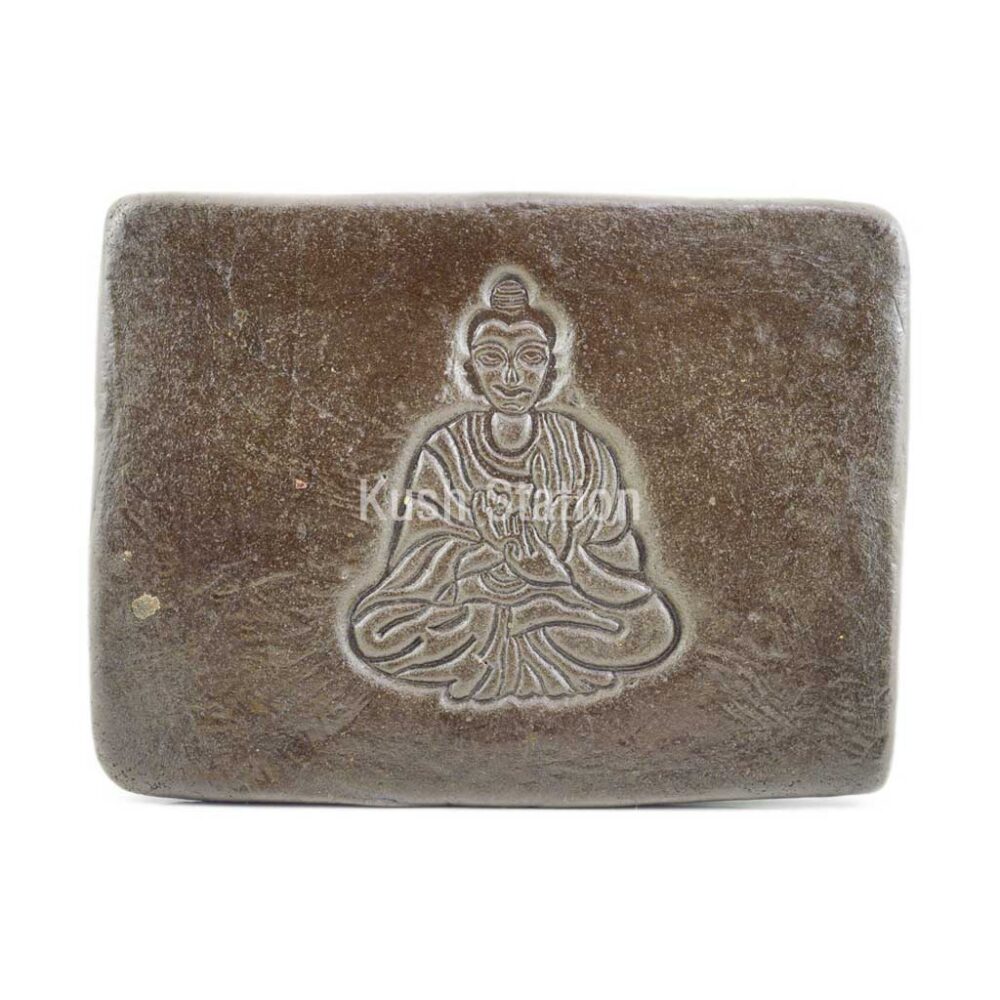
Smell is another clue. Fresh hash should have a concentrated version of the parent plant's aroma. If it smells like hay or has no smell at all, it is likely degraded. Terpenes are volatile. They evaporate over time, especially if the hash is stored in a warm place or exposed to air. Keep your concentrate jar sealed and in a cool, dark spot. That preserves both the flavor and the potency.
Using High-THC Hash the Right Way
Because hash is dense and does not always melt the way live resin or shatter does, you need to adjust your technique. A standard dab rig works fine, but you want a lower temperature than you might use for other concentrates. Hash tends to vaporize fully around 350 to 400 degrees Fahrenheit. Go hotter and you risk burning off some of the cannabinoids before they reach your lungs. The vapor will be harsher and the effects weaker.
A vaporizer is actually one of the best tools for hash. Many dry herb vaporizers have a concentrate pad or a chamber designed for material like this. You crumble a small piece onto the pad, heat it gradually, and get smooth, flavorful vapor over several draws. It is more efficient than smoking and easier on the throat. Dosage control is simpler too. With high-THC hash, a piece the size of a small pea is plenty for most people. Start smaller if you are not sure how your tolerance lines up.
Some people still prefer to mix hash into a joint or a bowl of flower. That works, but the burn temperature is higher and some of the THC gets destroyed in the flame. If you are buying a premium product, you want to get the most out of it. Vaporizing or low-temperature dabbing preserves the entourage effect, the synergy between THC and the other cannabinoids in the hash. That full-spectrum experience is part of why hash feels different from isolated distillates.
The Place of Hash in a Concentrate Collection
I keep a few different concentrates on hand most of the time. Live resin for when I want bright, fruity terpenes. Budder for a smooth, creamy texture that is easy to work with. Shatter for its glassy purity and clean break. And hash for the nights when I want something that lands hard and stays grounded. Each one has a role. Hash is not better or worse than the others. It is just different, and that difference matters more now than it did a few years ago.
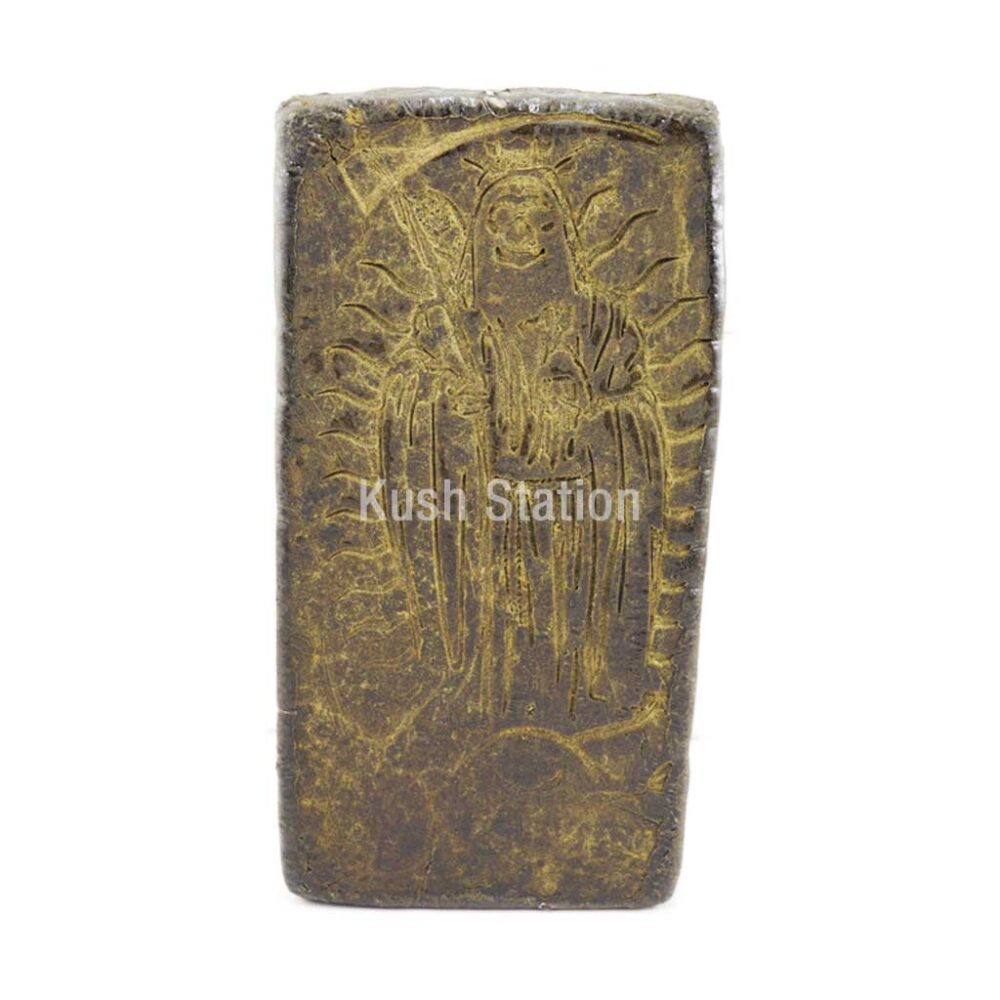
The concentrate market has matured. People are not just looking for the highest number on a lab test anymore. They want variety, texture, flavor, and effect profiles that match their mood. High-THC hash offers a combination of potency and tradition that nothing else in the category replicates. It does not try to be fancy. It just delivers.
If you have not tried a good batch recently, it is worth revisiting. The hash available now, especially from shops that test and sort their inventory by potency, is a different product from the dry, crumbly blocks that gave hash a bad reputation in some circles. Modern ice water hash and solventless press methods have raised the bar. The best batches rival any concentrate on the shelf in terms of purity and effect. And when you find one that tests high in THC, you understand why hash has stayed relevant for thousands of years.